Japan Packing List 2026: Documents, Clothing, Electronics, Medicine and Seasonal Packing
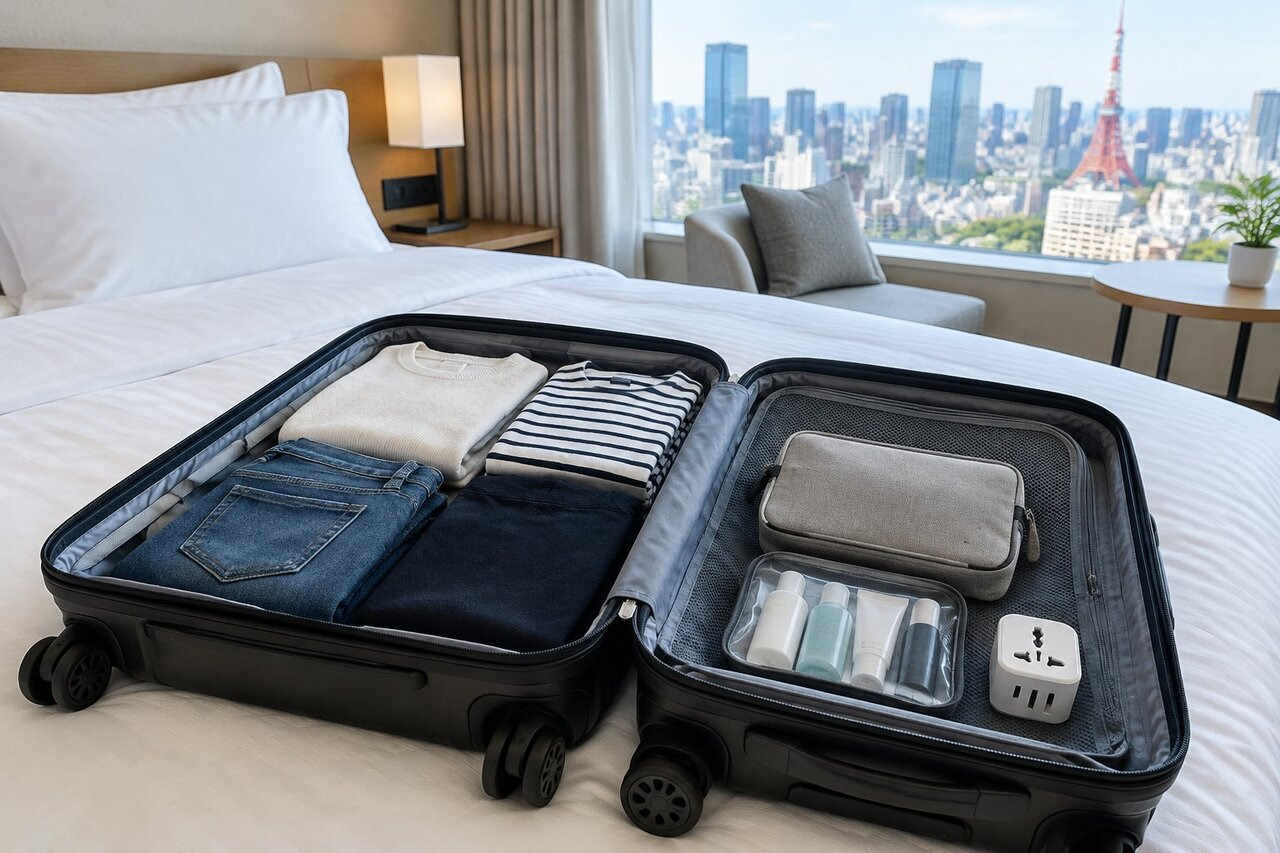
This Japan packing list covers what to bring for documents, electronics, medicine, liquids and clothing in each season, plus the foods you can't bring into Japan.
- Documents: Taiwan passport holders with a national ID number can visit visa-free for up to 90 days; Visit Japan Web can be filled in before you fly
- Electronics: Japan runs on 100V nationwide with two flat-pin sockets; power banks are limited to 2 per person, carry-on only, no charging on board
- Medicine: up to a 2-month supply of over-the-counter medicine and a 1-month supply of prescription medicine needs no permit; cold medicine with more than 10% pseudoephedrine needs advance permission
- Liquids: in carry-on, 100ml or less per container, all in one clear zip bag of 1 litre or less, one bag per person
- Not allowed: jerky, sausages, ham, meat buns and fresh Taiwanese fruit such as mango and lychee; with lots of luggage on the way home, see the airport transfer options below
What documents do I need for Japan?
Travellers from Taiwan don't need a visa for sightseeing, as long as they hold a valid Taiwan passport that shows a national ID number. Short stays for tourism, family visits or business are allowed for up to 90 days each time. Check your passport's expiry date before you go and make sure it covers the whole trip.
You can register your immigration and customs details on Visit Japan Web in advance and show the QR code at the airport. Visit Japan Web is optional: you can also fill in paper forms on the plane or at the airport. See the steps in our Visit Japan Web Guide 2026.
- Passport: keep it in your carry-on, never in checked luggage
- Visit Japan Web QR code: save a screenshot so it works without a signal
- E-ticket and hotel booking: your arrival details ask for your accommodation address
- Credit card and some yen in cash: for small purchases
- Mobile data: an eSIM or pocket Wi-Fi, set up before you leave
- Travel insurance details: save the policy number and emergency phone number on your phone
What electronics should I bring, and how many power banks?
Japan uses 100V everywhere, with Type A sockets that take two flat parallel pins, so the common two-flat-pin plugs from Taiwan fit. The frequency differs by region: 50Hz around Tokyo, 60Hz in Nagoya, Kyoto and Osaka. Devices labelled 100–240V and 50/60Hz on the INPUT line work anywhere in Japan. For three-pin plugs such as some laptop chargers or hair dryers, bring an adapter. More detail in Japan Plugs and Voltage 2026.
Both Taiwan and Japan have tightened their power bank rules, and whether you fly a Taiwanese airline out or a Japanese airline back, the core is the same: no more than 2 per person, carry-on only. Japan also requires 160Wh or less per power bank, and you can't use a power bank to charge your phone on board.
| Power banks | Japan's rules | Taiwan's rules |
|---|---|---|
| How many | Up to 2 per person (160Wh or less) |
Up to 2 per person |
| Where to pack | Carry-on only, not checked |
Carry-on only, not checked |
| Charging it on board | Not allowed | Not allowed |
| Charging a phone from it | Not allowed | Power banks can't be used on board |
- Phone charger and cables: check that INPUT says 100–240V
- Up to 2 power banks: in your carry-on; replace any with unreadable labels
- Plug adapter: only for devices with three-pin plugs
- Multi-port USB charger: charge your phone, camera and earbuds from one socket
- Dual-voltage hair dryer or curling iron: if yours only says 110V, bring a wide-voltage model instead
How much medicine can I bring? What about cold medicine?
Medicine for your own use needs no advance application within the amounts below; customs simply checks it on arrival. The supply is based on the dosage on the box: 2 tablets, 3 times a day, makes a 2-month supply of 360 tablets.
| Type | Amount without a permit |
|---|---|
| Over-the-counter medicine | Up to a 2-month supply |
| Prescription medicine | Up to a 1-month supply |
| Topical (non-prescription) | Up to 24 standard-size items per product |
| Cosmetics | Up to 24 standard-size items per product |
| Disposable contact lenses | Up to a 2-month supply |
Lipsticks count together across brands and shades: 24 in total.
The ingredients that cause trouble in cold and decongestant medicine are pseudoephedrine, ephedrine and methylephedrine, which Japan classes as stimulant raw materials. Products with 10% or less are exempt; above that, you must apply to a Narcotics Control Department of a Regional Bureau of Health and Welfare at least 2 weeks before travel, and carry the medicine yourself rather than sending it or asking someone else. Amphetamine medicines (such as the ingredients in Adderall) can't be brought into Japan, even with a prescription.
- Everyday medicine: cold, pain, stomach and motion-sickness tablets; check the ingredients
- Prescription medicine: bring the pharmacy bag or prescription, in your carry-on
- Small first-aid kit: plasters, insect repellent (100ml or less for carry-on)
- Contact lenses and solution: solution over 100ml goes in checked luggage
What are the rules for liquids and carry-on bags?
The liquid rules on international flights apply only to bags you take into the cabin, not to checked luggage. Gels and aerosols count too, such as toothpaste, hair gel and sunscreen spray.
- Every item must be in a container of 100ml or less; a large bottle with a little left inside is not allowed
- Put them all in one resealable clear plastic bag of 1 litre or less, about 20cm by 20cm
- One bag per person; take the bag and your laptop out at security
- Medicine, baby milk and baby food, and special dietary items are exempt in the amount needed on board; declare them at security, with a prescription copy or pharmacy bag for medicine
- Duty-free alcohol bought after security can go on board, but it may be confiscated if you transfer, so check with your airline
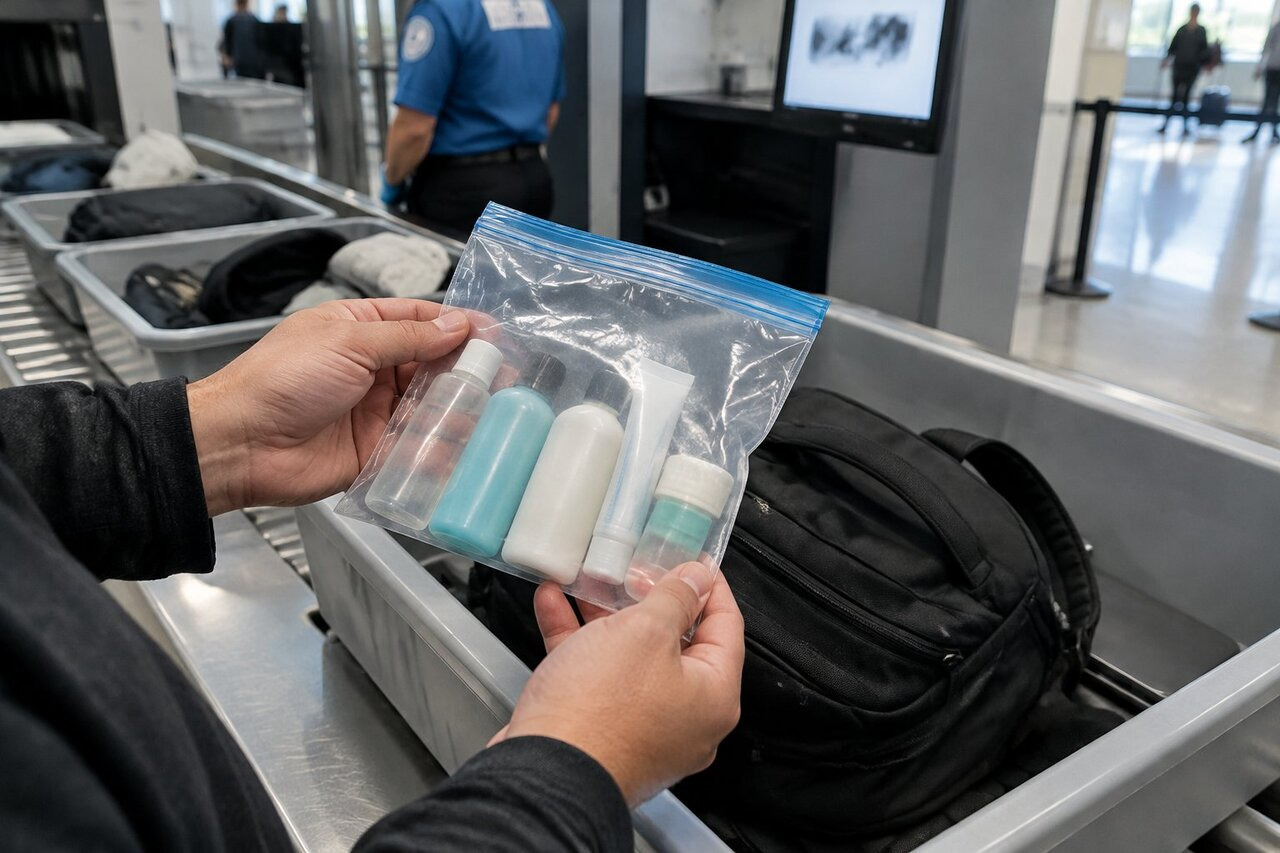
The simplest split: passport, wallet, phone, power banks, medicine and the liquids bag in your carry-on; large shampoo and toner bottles and any sauces you buy as souvenirs go in checked luggage.
What clothes should I pack for each season?
Here are the Japan Meteorological Agency normals (1991–2020 averages). Sapporo's January high is about 10 degrees lower than Tokyo's or Osaka's, so a winter trip to Hokkaido needs proper snow gear.
| Month | Tokyo | Osaka | Sapporo |
|---|---|---|---|
| January | 9.8 / 1.2℃ | 9.7 / 3.0℃ | -0.4 / -6.4℃ |
| April | 19.4 / 9.8℃ | 19.9 / 10.9℃ | 11.7 / 3.4℃ |
| August | 31.3 / 23.5℃ | 33.7 / 25.8℃ | 26.4 / 19.1℃ |
| October | 22.0 / 14.8℃ | 23.7 / 16.0℃ | 16.4 / 8.0℃ |
Normal daily high / low. Stations: Tokyo, Osaka, Sapporo.
Spring (March to May)
In April, Tokyo and Osaka reach about 19–20℃ by day but only around 10℃ in the morning and evening, and cherry blossom viewing often means standing outside for an hour or two. For timing, see our Japan Cherry Blossom Forecast 2027.
- Layers: light long sleeves, a knit and a windproof jacket
- Comfortable walking shoes
- A light scarf for night blossoms and early mornings
Summer (June to August)
Osaka's normal August high is 33.7℃ and Tokyo's is 31.3℃, with high humidity and strong indoor air conditioning.
- Breathable short sleeves and spare clothes: you may want to change once a day
- Sunscreen, a hat and sunglasses
- A light jacket for chilly trains and department stores
- A folding umbrella for afternoon storms
Autumn (September to November)
Tokyo's normal rainfall tops 220mm in both September and October, the two wettest months of the year; by November mornings and evenings turn cool, so bring an extra jacket for autumn leaves.
- A folding umbrella or light rain poncho
- Long sleeves and a light jacket, switching to a warmer coat in November
- Water-resistant shoes or spare socks
Winter (December to February), and what to add for snow
Tokyo and Osaka are about 10℃ by day in January and 1–3℃ at dawn, so a warm coat and thermal base layers are enough. Hokkaido is a different story: Sapporo stays below 0℃ even at its January high, with 137cm of snowfall in January and a maximum snow depth of 95cm in February on average, and icy pavements are common.
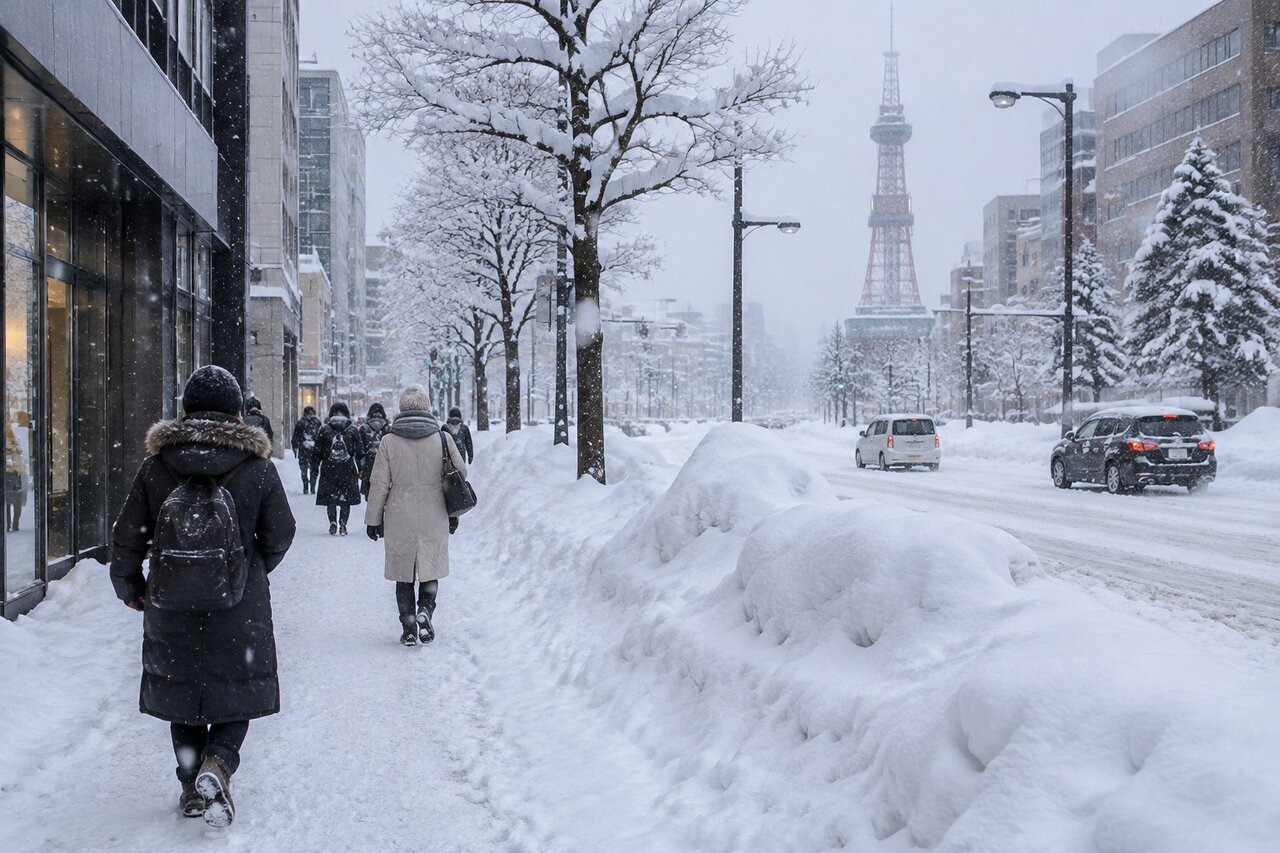
- Non-slip snow boots with deep tread, far safer than trainers
- Thermal top and leggings, a fleece mid-layer, a windproof and waterproof coat
- Gloves, a beanie and a scarf or neck warmer: ears and fingers get cold first
- Heat packs: stick-on for your back, hand warmers for pockets
- Lip balm and moisturiser: cold air outside, dry heating inside
How much space should I leave for souvenirs and tax-free shopping?
From 1 November 2026, tax-free shopping in Japan works as a refund: you pay the tax-inclusive price, and the tax is refunded after customs confirms at departure. You must leave Japan within 90 days of purchase and do the procedure before checking in your bags, scanning your passport at a kiosk in the departure lobby with all your purchases on hand. Once your bags are checked, it's too late.
So plan your return packing: keep tax-free items in your carry-on, then move what can be checked into your suitcase after the confirmation. If even one item from a receipt is missing, that receipt isn't refunded. The full process is in Japan Tax-Free Shopping 2026.
- Leave a third of your suitcase empty on the way out for souvenirs
- Pack a foldable travel bag to use as a second bag on the way home
- Keep receipts separate, with items from the same receipt together
- A luggage scale: weigh your bags before leaving the hotel
Which foods can't I bring into Japan?
Meat products are what travellers from Taiwan get stopped for most. Without an inspection certificate from the exporting country's government, they can't be brought in, even as gifts or for personal use, whether raw, chilled, frozen or cooked. Illegal import can mean up to 3 years' imprisonment or a fine of up to 3 million yen.
| Category | Examples not allowed |
|---|---|
| Meat products | Jerky, ham, sausages, bacon, meat buns |
| Fruit from Taiwan | Mango, lychee, longan, guava, banana, papaya, dragon fruit, wax apple, sugar apple, passion fruit, star fruit, citrus |
| Vegetables from Taiwan | Cucumber, tomato, chilli, melon |
| Other | Soil, plants with soil, betel nut |
Green tea, black tea and Chinese tea from Taiwan can be brought in without inspection.
Even items sold in airport duty-free shops can be prohibited, so meat-free biscuits and tea are the safest souvenirs.
How can I get to the airport with lots of luggage?
The trip home often comes with an extra bag or two, and pushing two big suitcases between trains and hunting for lifts is the tiring part, especially with children or a stroller. Lanytrip offers airport transfers in Tokyo and Osaka: get in at your hotel door and wheel your bags straight to the tax refund kiosk and check-in.
- Narita / Haneda Airport ⇄ Central Tokyo: for families with large bags or strollers, so you don't drag luggage onto trains on arrival or departure day
- Kansai Airport ⇄ Central Osaka: for shoppers who want to reach the airport early for the tax refund
- Kansai Airport ⇄ Central Kyoto: for those staying in Kyoto with older relatives or kids who don't want to change trains with luggage
- Narita / Haneda Airport ⇄ Central Tokyo:
- Kansai Airport ⇄ Central Osaka:
- Kansai Airport ⇄ Central Kyoto:
Recommended transfer options
Narita / Haneda Airport ⇄ Central Tokyo
Get a 1-on-1 quote ›
Kansai Airport ⇄ Central Osaka
Get a 1-on-1 quote ›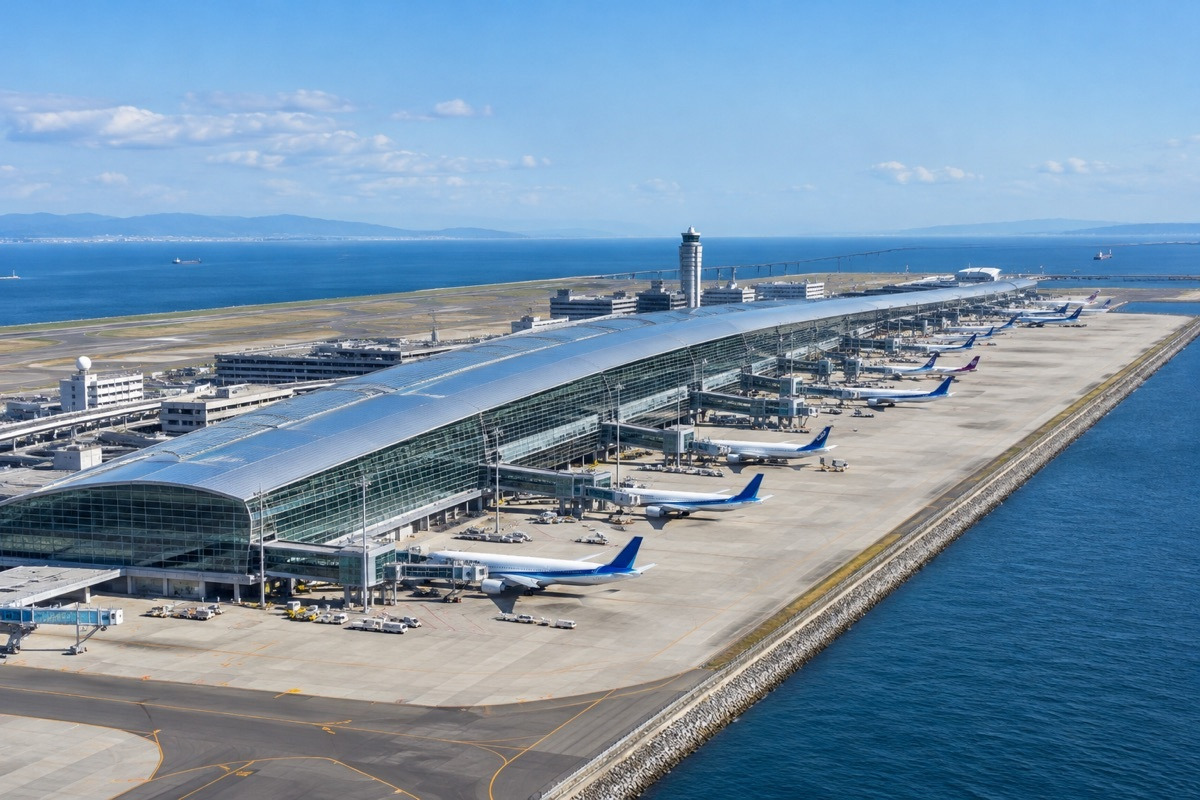
Kansai Airport ⇄ Central Kyoto
Get a 1-on-1 quote ›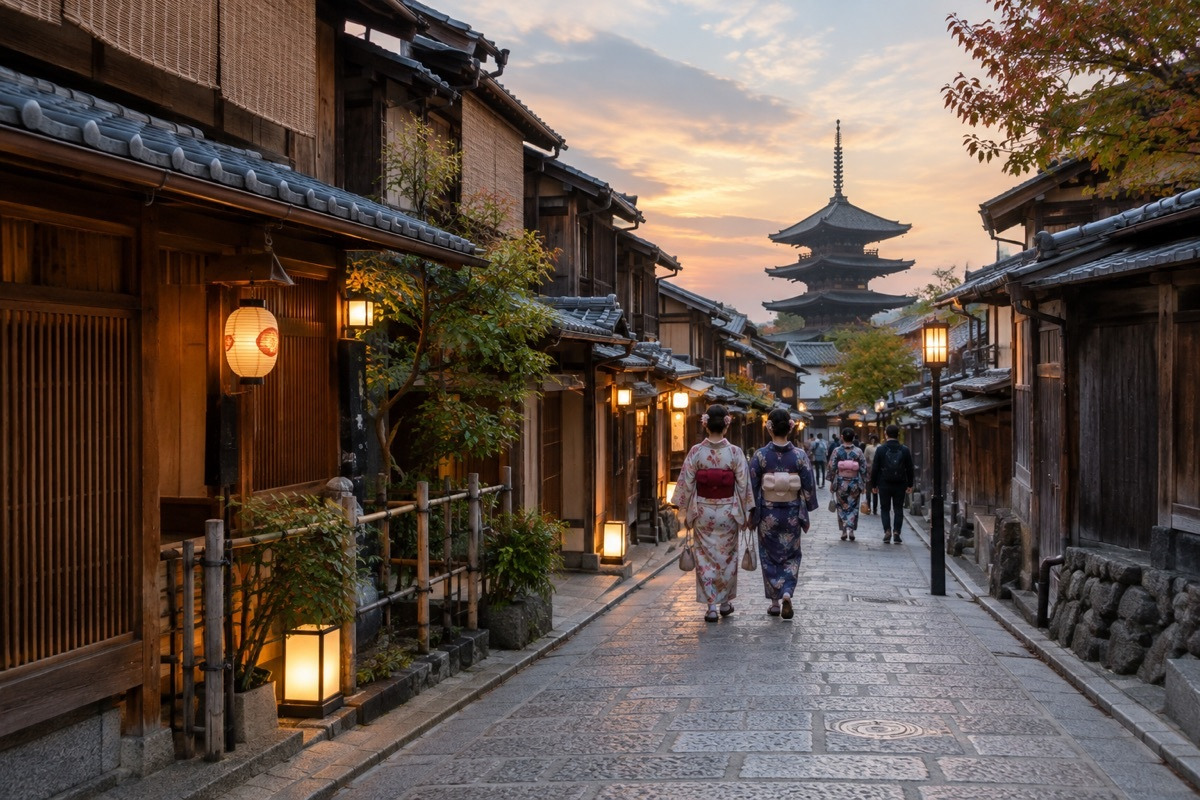
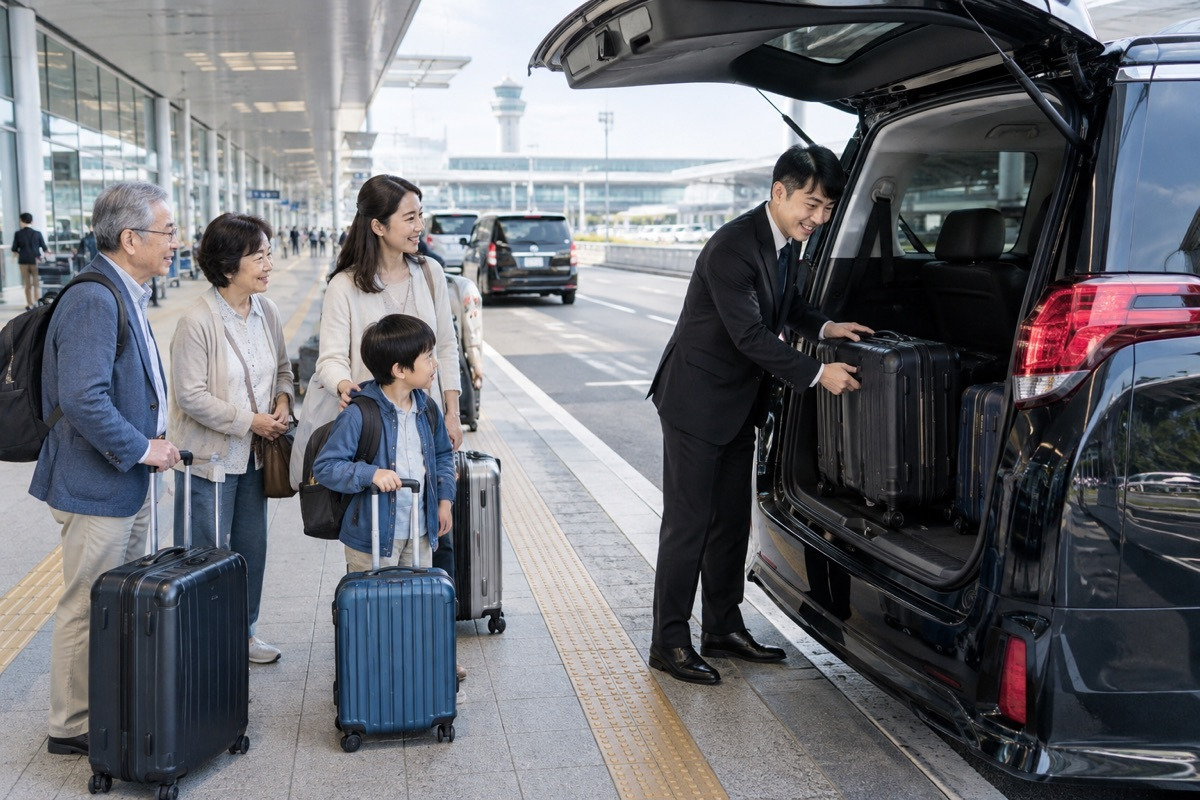
Have this ready when you ask about a transfer on LINE
- Your hotel (name or address)
- Date of use
- Number of people and luggage (strollers, large bags)
- Your planned itinerary
For a faster, more accurate quote, please send all of the above in one message on LINE.
Summary: how to pack for Japan without mistakes
Things to watch for
Passport, power banks, medicine and the liquids bag always go in your carry-on, with no more than 2 power banks per person. Check cold medicine for pseudoephedrine, leave jerky, sausages and Taiwanese fruit at home, and finish the tax refund check before you check in your bags.
How to plan it
Pack from this list a week before you fly, leaving a third of your suitcase for souvenirs, then add clothes for the season: layers in spring and autumn, sun protection and breathable fabrics in summer, snow boots for Hokkaido in winter. On your last night, pack tax-free items and receipts separately and head to the airport early.
Why we suggest an airport transfer
The most tiring part of a Japan trip is often not the sights but dragging big suitcases between trains and up stairs. A transfer on arrival and departure day takes you from the hotel door to the airport, leaving time for the tax refund. See the 3 transfer options above, or message us on LINE.
Japan packing list FAQ
Are Japanese sockets the same as in Taiwan? Do I need an adapter?+
Japan uses 100V with two flat-pin sockets, so two-flat-pin plugs from Taiwan fit. Only three-pin plugs need an adapter, and devices rated 100–240V work directly.
Can I put a power bank in checked luggage?+
No. Both Taiwan and Japan require power banks in carry-on only, up to 2 per person, and you can't charge them on board.
Can I bring cold medicine from Taiwan to Japan?+
Yes, up to a 2-month supply for personal use. Check the ingredients: more than 10% pseudoephedrine needs a permit applied for 2 weeks before travel.
Can I bring jerky or meat floss to Japan as a gift?+
No. Meat products need an inspection certificate from the exporting country's government, even as gifts or in small amounts, and fines go up to 3 million yen.
What should I bring to Hokkaido in winter?+
Sapporo's January high is below 0℃, so non-slip snow boots, thermals, a windproof waterproof coat, gloves and a beanie matter most, plus a few heat packs.
