Where to Go in Japan 2026: Tokyo, Osaka–Kyoto, Hokkaido, Okinawa, Kyushu and Nagoya Compared by Season, Airport and Trip Length
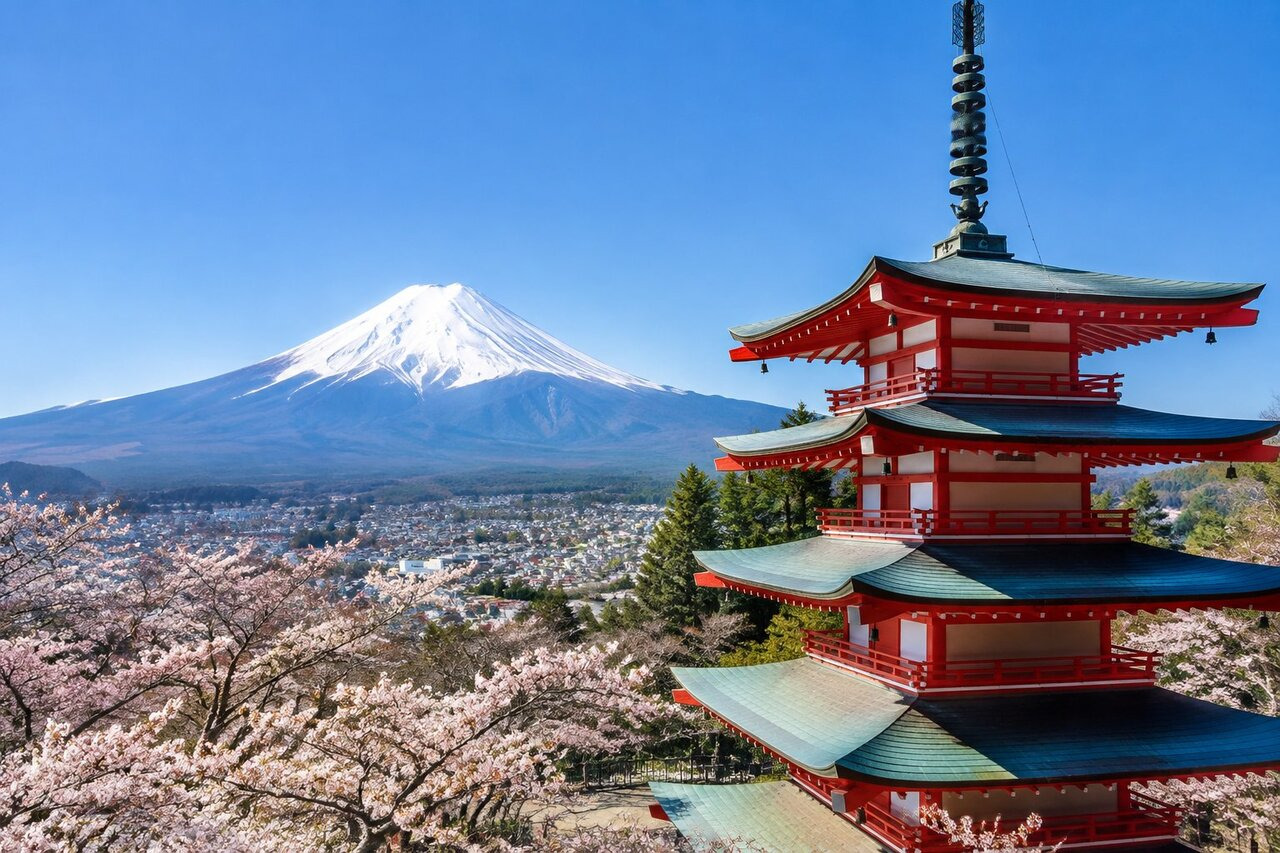
This guide to Japan's travel regions covers who Tokyo, Osaka–Kyoto, Hokkaido, Okinawa, Kyushu and Nagoya suit best, when to go, which airport to fly into from Taiwan, how to reach the city, and how many days to plan.
- On a first trip, pick Tokyo or Osaka–Kyoto: direct flights from Taiwan, trains straight from the airport into the city, and sights close together, so you don't need a rental car
- If you hate the cold, choose Okinawa (Naha averages 17.3°C in January); for snow or a cool summer, choose Hokkaido (Sapporo averages -3.2°C in January and 22.3°C in August)
- Plan 4–5 days each for Tokyo and Osaka–Kyoto, 5–6 days for Hokkaido or Kyushu, 4–5 days for Okinawa and 3–4 days for Nagoya
- With grandparents or kids, Tokyo, Osaka–Kyoto and Okinawa are the easiest; in winter Hokkaido's snowy pavements are slippery, so take care on foot
- In Tokyo and Osaka–Kyoto you can book airport transfers and 10-hour private car hire for fewer train changes and no luggage hauling. See the transfer and private car options below
How are Japan's 6 main regions different, and who do they suit?
The parts of Japan Taiwanese travellers visit most fall into six areas: Tokyo, Osaka–Kyoto, Hokkaido, Okinawa, Kyushu and Nagoya. Tokyo and Osaka–Kyoto are city stays with day trips nearby; Hokkaido, Okinawa and Kyushu are big regions you explore slowly; Nagoya is often the gateway to Takayama and Shirakawa-go. Decide what you want from the trip first, then pick the region, and you're less likely to regret it than if you start from the cheapest flight.
| Region | Main cities | Best for |
|---|---|---|
| Tokyo | Tokyo, Yokohama plus Hakone, Mt Fuji, Kamakura |
First-timers, shoppers, families |
| Osaka–Kyoto | Osaka, Kyoto, Nara | First-timers, foodies, temples and shrines |
| Hokkaido | Sapporo, Otaru, Asahikawa, Hakodate | Snow and skiing, cool summers |
| Okinawa | Naha, the north (Motobu, Onna) |
Beach holidays, escaping winter |
| Kyushu | Fukuoka, Kumamoto, Yufuin, Beppu |
Hot springs, second-time visitors |
| Nagoya | Nagoya, Takayama, Shirakawa-go |
Second-time visitors, thatched villages |
Which region is best in which season?
Japan stretches a long way north to south, so in the same month Sapporo and Naha can differ by more than 20°C. The table shows monthly average temperatures in each region's main city; find your travel month to see what to pack and whether it's a good time to go.
| Region (station) | Jan | Apr | Aug | Oct |
|---|---|---|---|---|
| Tokyo (Tokyo) | 5.4°C | 14.3°C | 26.9°C | 18.0°C |
| Osaka–Kyoto (Osaka) | 6.2°C | 15.2°C | 29.0°C | 19.5°C |
| Hokkaido (Sapporo) | -3.2°C | 7.3°C | 22.3°C | 12.1°C |
| Okinawa (Naha) | 17.3°C | 21.5°C | 29.0°C | 25.5°C |
| Kyushu (Fukuoka) | 6.9°C | 15.4°C | 28.4°C | 19.6°C |
| Nagoya (Nagoya) | 4.8°C | 14.6°C | 28.2°C | 18.6°C |
Monthly average temperature, 1991–2020 normals.
To escape winter, Okinawa still averages 17.3°C in January, so a light jacket is enough. For snow, head to Hokkaido: Sapporo's snow depth averages around 95 cm in February, with 137 cm of snowfall over January, so bring non-slip shoes. In August, Tokyo, Osaka, Fukuoka and Nagoya all average 27–29°C and feel hot and sticky; for a cooler summer go to Hokkaido, where Sapporo averages 22.3°C. In April and October, Tokyo, Osaka–Kyoto, Kyushu and Nagoya sit between 14 and 20°C, the most comfortable weather for walking around.
Which airport do I fly into from Taiwan, and how do I get to the city?
All six regions have airports with direct flights from Taipei. Tokyo has two: Narita (from Taoyuan) and Haneda (from Songshan). In Kyushu, besides Fukuoka, there are also direct flights to Kumamoto and Kagoshima.
| Region | Airport with direct flights from Taipei |
|---|---|
| Tokyo | Narita Airport (from Taoyuan) Haneda Airport (from Songshan) |
| Osaka–Kyoto | Kansai Airport |
| Hokkaido | New Chitose Airport |
| Okinawa | Naha Airport |
| Kyushu | Fukuoka Airport also Kumamoto, Kagoshima |
| Nagoya | Chubu Centrair Airport |
Every airport has a train into the city, and New Chitose to Sapporo and Naha to Kenchomae both take under 40 minutes. The table lists the most direct train from each airport.
| Airport | Train to the city | Time |
|---|---|---|
| Narita | Keisei Skyliner to Keisei Ueno |
From 41 min |
| Haneda | Keikyu Line to Shinagawa | About 15 min |
| Kansai | JR Limited Express Haruka to Tennoji, Shin-Osaka, Kyoto |
Direct, no change |
| New Chitose | JR Rapid Airport to Sapporo |
From 37 min |
| Naha | Yui Rail monorail to Kenchomae |
About 13 min |
| Fukuoka | Free shuttle bus from the international to the domestic terminal, then subway to Hakata or Tenjin |
Shuttle bus about 10 min |
| Chubu | Meitetsu μSKY to Meitetsu Nagoya |
Direct, no change |
Every car on the Meitetsu μSKY is a reserved special car, so you need a μ-ticket on top of your fare.
The trains are quick, but you still have to drag your luggage from the station to the hotel, and with a family's worth of bags and several changes, that's the tiring part. In Tokyo and Osaka–Kyoto the smoothest option is to book an airport transfer that drops you at the hotel door, or take the train above and walk from the station.
How many days should I spend in each region?
These lengths aim for an unrushed pace with one or two highlights a day. On a first trip, it's better to drop a region than to spend every day on the move.
| Region | Suggested days | How to split them |
|---|---|---|
| Tokyo | 4–5 days | City 2–3 days + Hakone, Mt Fuji or Kamakura 1–2 days |
| Osaka–Kyoto | 4–5 days | Osaka 2 days + Kyoto 1–2 days + Nara half to one day |
| Hokkaido | 5–6 days | Sapporo and Otaru 3 days + Asahikawa or Hakodate 2–3 days |
| Okinawa | 4–5 days | Naha 1–2 days + the north 2–3 days |
| Kyushu | 5–6 days | Fukuoka 2 days + Yufuin–Beppu or Kumamoto 2–3 days |
| Nagoya | 3–4 days | Nagoya 2 days + Takayama, Shirakawa-go 1–2 days |
With only 3 days, choose either Tokyo or Osaka–Kyoto: the airport is close to the city, so you can start sightseeing on the first afternoon. Cities in Hokkaido and Kyushu are far apart, so on 5 days or fewer, stick to one or two cities and spend the time at the sights rather than in transit.
What are the must-see sights in each region?
Tokyo: city shopping plus day trips
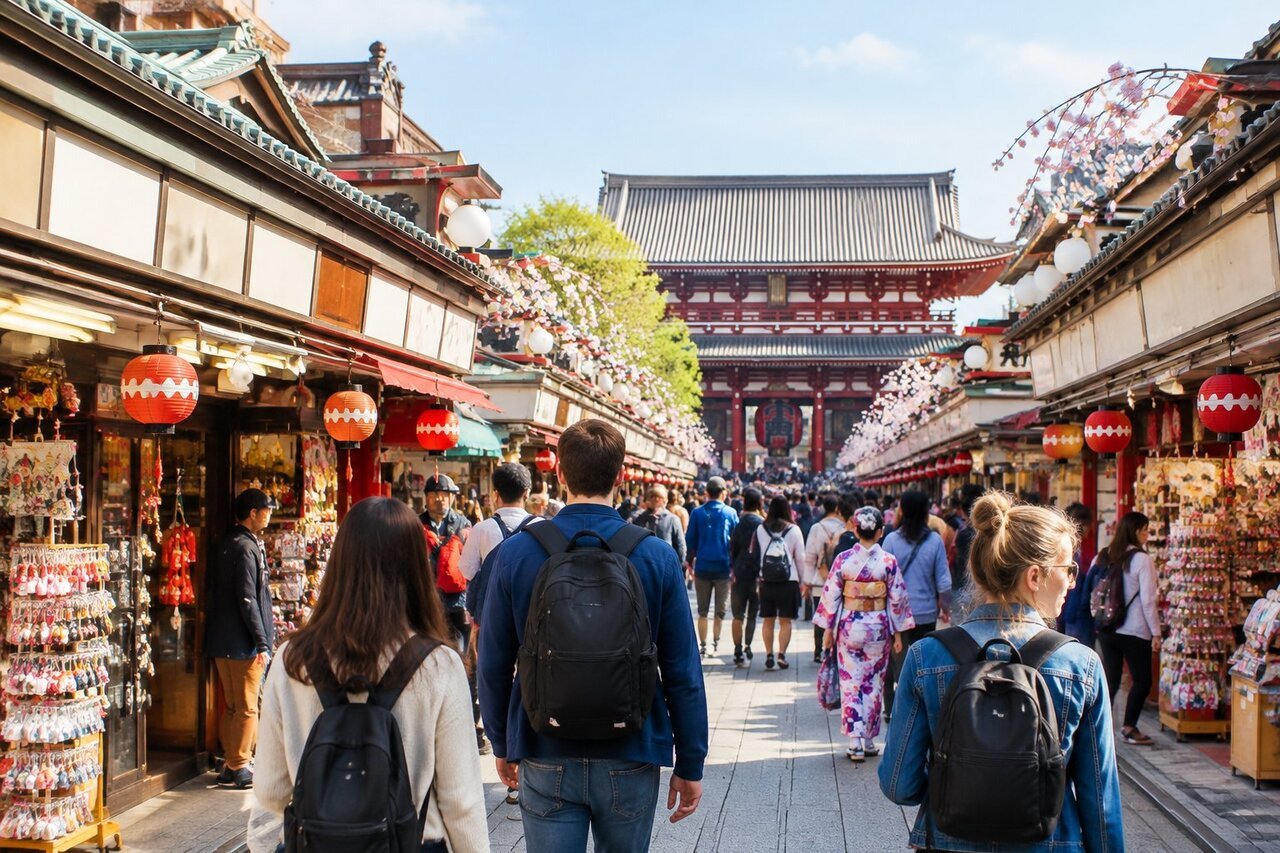
The city has Senso-ji, Tokyo Skytree, Shibuya, Shinjuku and Ginza for shopping and food. With an extra day or two you can soak in a Hakone hot spring, see Mt Fuji from Lake Kawaguchi, or head to the sea at Kamakura and Enoshima, or walk Yokohama's waterfront. These day-trip spots lie in different directions and often mean several train changes, so a private car can link two or three in a day.
Osaka–Kyoto: food and old temples together
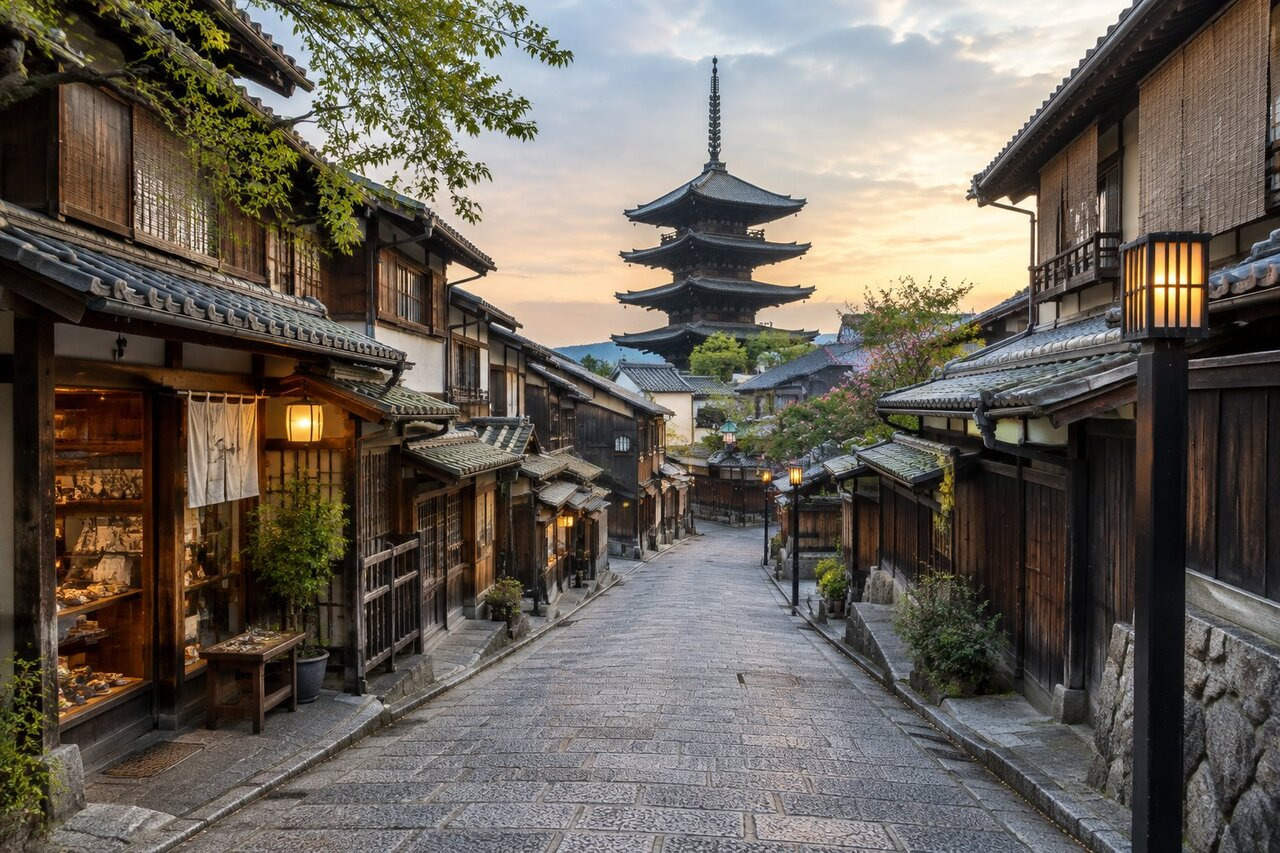
Osaka has Dotonbori, Osaka Castle and Universal Studios Japan and is the liveliest place to eat; in Kyoto, Arashiyama, Kinkaku-ji, Fushimi Inari and Kiyomizu-dera are the classics for a first visit, and the deer in Nara Park are great with kids. Kyoto's sights are spread out, with Arashiyama and Kinkaku-ji in the northwest and Fushimi Inari and Kiyomizu-dera in the southeast, so plan the route if you want them on one day.
Hokkaido: snow, hot springs and summer flower fields
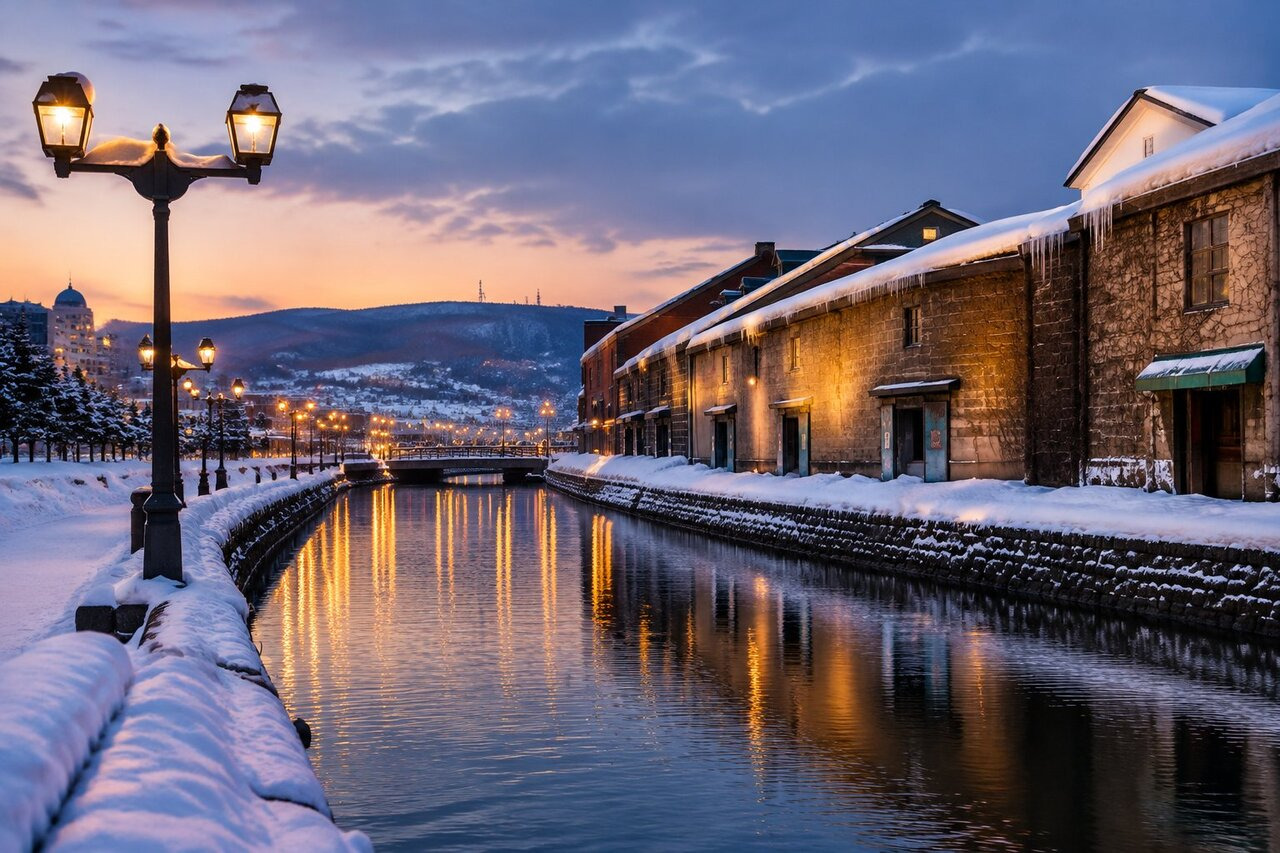
Sapporo is the base, and Otaru Canal, Asahiyama Zoo, Biei–Furano and the Hakodate night view are the most popular stops. Winter brings snow scenery and ski slopes, and summer brings flower fields and cool weather, so each season has its own appeal. Hokkaido is huge and getting between cities takes time, so pick only two or three cities per trip.
Okinawa: island holidays and winter sun
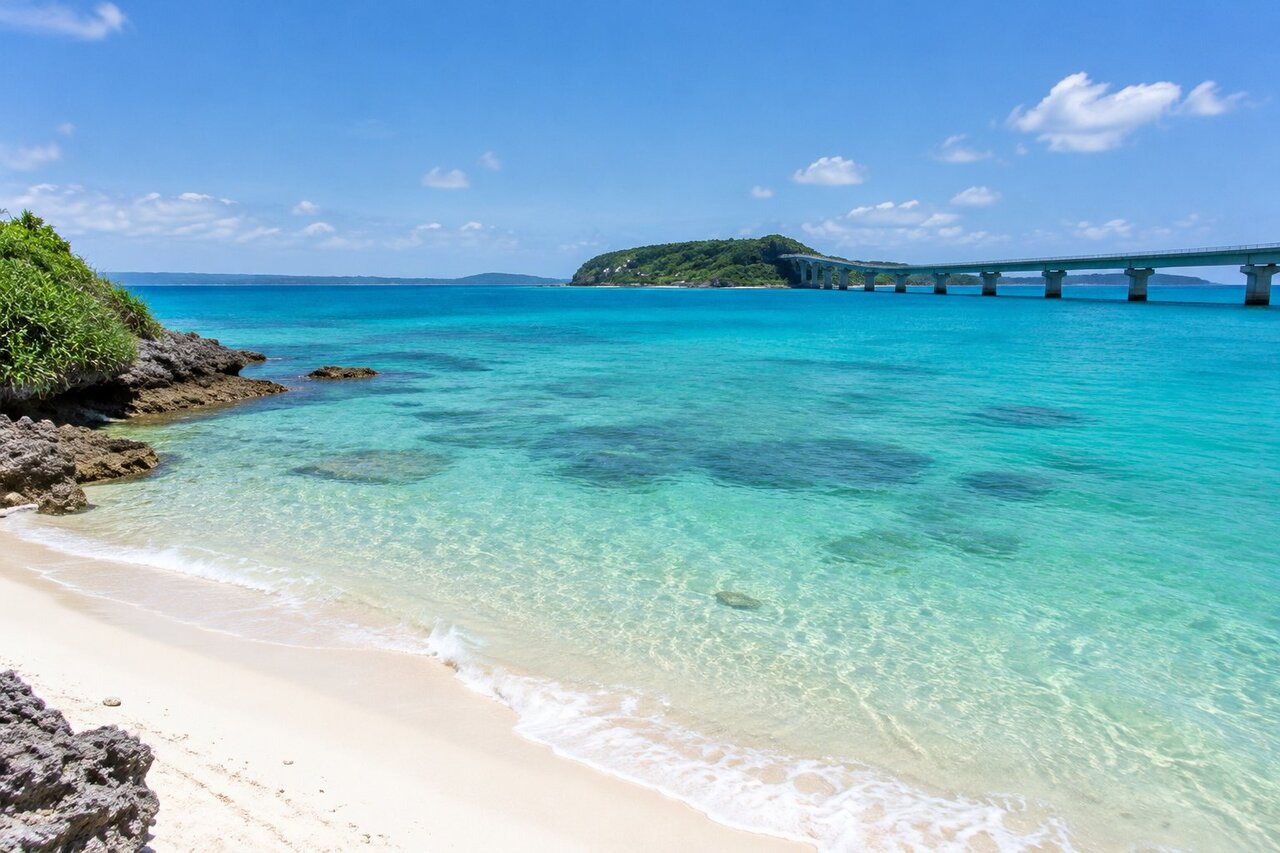
In Naha, Kokusai-dori is the place to shop and eat, while the north has Churaumi Aquarium, Kouri Island and a long line of beach hotels. The only train is the monorail around Naha, so you need a car or a bus to reach the north, and families with kids usually split their stay between Naha and the north.
Kyushu: hot springs, cities and volcanoes
Fukuoka's Nakasu food stalls and Dazaifu Tenmangu are close to the airport and work well for short trips. Further out are Yufuin, Beppu's hot springs, Kumamoto Castle and Mt Aso, and hot-spring lovers can build a whole trip around them. Kyushu suits people who've already seen Tokyo and Osaka and want a different side of Japan on a second trip.
Nagoya: gateway to Takayama and Shirakawa-go
The city has Nagoya Castle and Atsuta Jingu, and families can visit the Ghibli Park. Many people fly to Nagoya for Takayama's old town and the thatched farmhouses of Shirakawa-go, which are especially famous under winter snow. One or two days covers Nagoya itself, so put the focus on day trips around it.
Which region is best for a first trip to Japan?
For a first trip, Tokyo or Osaka–Kyoto is the safest choice: direct flights from Taiwan, trains straight from the airport into the city, and sights concentrated in and around the city, with no need to drive. If you love shopping, city lights or Disney, choose Tokyo; if you love food, temples and shrines, or kimono photos, choose Osaka–Kyoto.
Hokkaido, Okinawa, Kyushu and Nagoya have more spread-out sights and longer journeys between cities, so they're better once you've been once and know what you like. If you want snow on your first trip, Hokkaido works too, but plan at least 5 days and pack proper winter clothes and shoes.
Which region is easiest with grandparents or kids?
With grandparents or kids, the tiring parts are changing trains, walking and dragging luggage. Trains in Tokyo and Osaka are convenient but packed at rush hour, transfers at big stations involve long corridors, and finding lifts with a stroller takes time. In both regions Lanytrip offers airport transfers and 10-hour private car hire, going straight from the hotel to the sights, so grandparents can rest in the car when they're tired.
Okinawa is warm and relaxed, so it's comfortable for older travellers even in winter, but the sights need a car, so families who don't drive should keep the plan loose. Hokkaido is beautiful in winter, but snowy pavements are slippery, so everyone needs non-slip shoes and outdoor plans should stay short.
How can I cut down on train changes in Tokyo and Osaka?
In Tokyo and Osaka, Lanytrip offers airport transfers and 10-hour private car hire, and you can book your arrival, departure and day trips together. These are the three most popular options for a first trip to Japan.
- Narita / Haneda Airport ⇄ central Tokyo: for travellers with lots of luggage, grandparents or kids, who don't want to change trains at Ueno or Shinagawa
- Kansai Airport ⇄ central Osaka or Kyoto: for anyone staying in Kyoto, or who'd rather not change trains in Osaka
- 10-hour private car from Osaka to Arashiyama and Kinkaku-ji: for anyone who wants to see both in one day, especially with grandparents or kids
- Narita / Haneda Airport ⇄ central Tokyo: We meet you at the airport and drive you straight to your hotel door in central Tokyo; you can book the return drop-off at the same time.
- Kansai Airport ⇄ central Osaka or Kyoto: Go from Kansai Airport straight to your hotel in Osaka or Kyoto, with no luggage-dragging changes at Tennoji or Shin-Osaka.
- 10-hour private car from Osaka to Arashiyama and Kinkaku-ji: Leave from your Osaka hotel and link Arashiyama and Kinkaku-ji in one day, with no hunting for buses between sights.
Recommended transfer options
Narita / Haneda Airport ⇄ central Tokyo
Get a 1-on-1 itinerary quote ›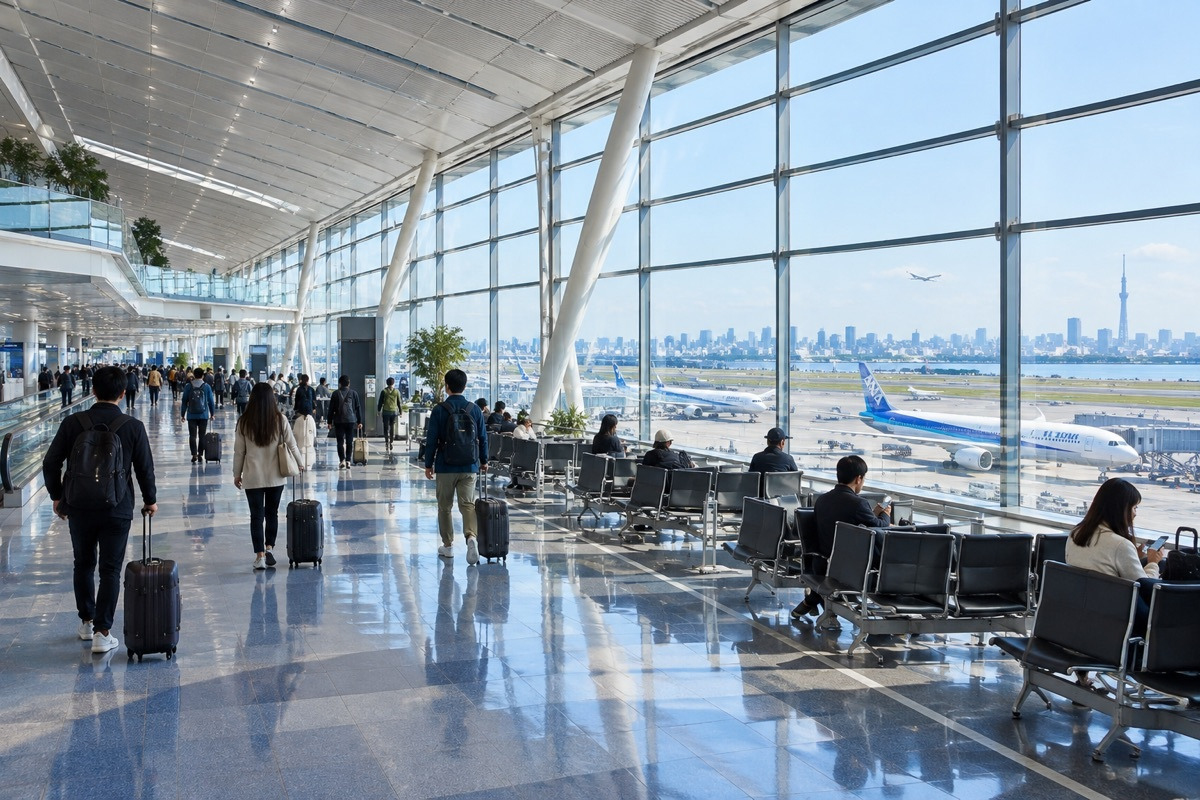
Kansai Airport ⇄ central Osaka or Kyoto
Get a 1-on-1 itinerary quote ›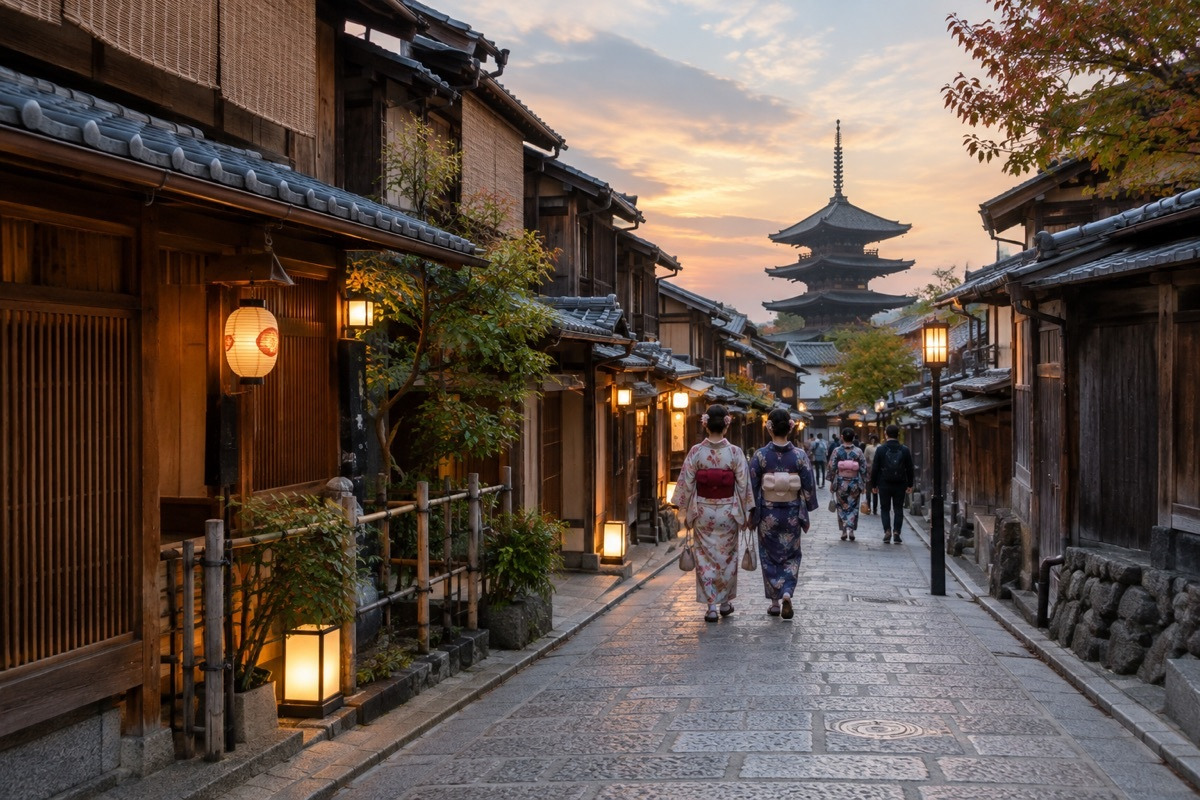
10-hour private car from Osaka to Arashiyama and Kinkaku-ji
Get a 1-on-1 itinerary quote ›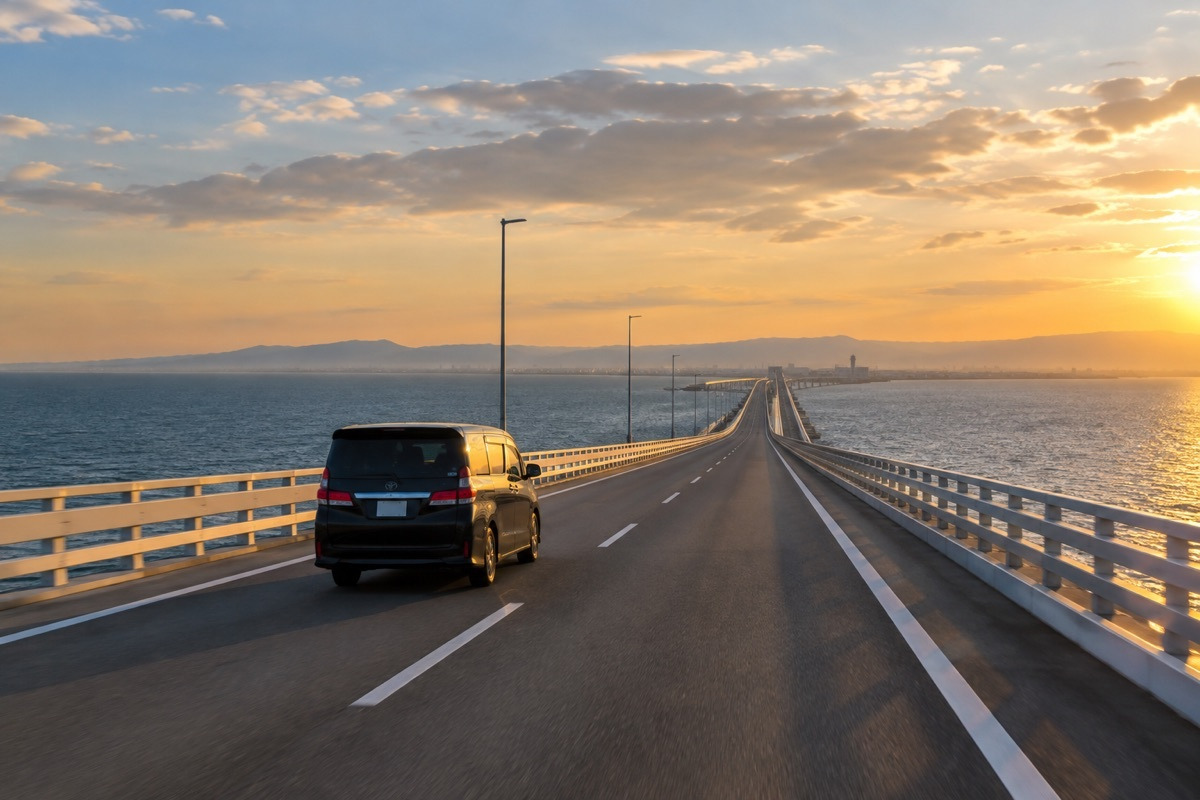
Have this ready when you ask about a transfer or private car on LINE
- Your hotel (name or address)
- Date of use
- Number of people and luggage (strollers, large bags)
- Your planned itinerary
For a faster, more accurate quote, please send all of the above in one message on LINE.
Summary: how to choose and plan your region
Things to watch for
Temperatures vary hugely across Japan, and Sapporo and Naha can be more than 20°C apart in the same month, so pack for your destination. Sights in Hokkaido, Kyushu and Okinawa are spread out, so on a short trip pick only one or two cities rather than moving every day.
How to plan it
For a first trip, choose Tokyo or Osaka–Kyoto for 4–5 days: two or three days in the city plus a day or two of day trips. Next time, try Hokkaido for snow, Okinawa for winter sun, Kyushu for hot springs, or Nagoya as a base for Takayama and Shirakawa-go.
Why we suggest a transfer or private car
Trains in Tokyo and Osaka are crowded and big-station transfers are long, so changing trains with luggage, grandparents or kids is the hardest part. A transfer takes you from the airport to the hotel, and a private car starts your day trip at the hotel door, saving your energy for the sights. See the transfer and private car options above, or message us on LINE.
Japan travel regions FAQ
For a first trip to Japan, is Tokyo or Osaka better?+
Both work well. For shopping and city nights choose Tokyo; for food, temples and shrines choose Osaka–Kyoto, with 4–5 days for either.
Where in Japan is warmest in winter?+
Okinawa is the warmest: Naha averages 17.3°C in January, compared with 5.4°C in Tokyo, 6.2°C in Osaka and -3.2°C in Sapporo.
Which airport do flights from Taiwan to Hokkaido use, and how long is it to Sapporo?+
You land at New Chitose Airport, and the JR Rapid Airport reaches Sapporo in as little as 37 minutes.
Can I do Tokyo and Osaka together in 5 days?+
You can, but moving between them and changing hotels takes at least half a day. On a first trip, we suggest choosing one region so the pace stays relaxed.
Which region is easiest with grandparents or kids?+
Tokyo, Osaka–Kyoto and Okinawa are the easiest to plan. In Tokyo and Osaka you can book transfers and private car hire for fewer changes and less walking.
