Japan Private Car vs Rental Car vs Public Transport 2026: Taiwan Licence Rules, Costs and Who Each Suits
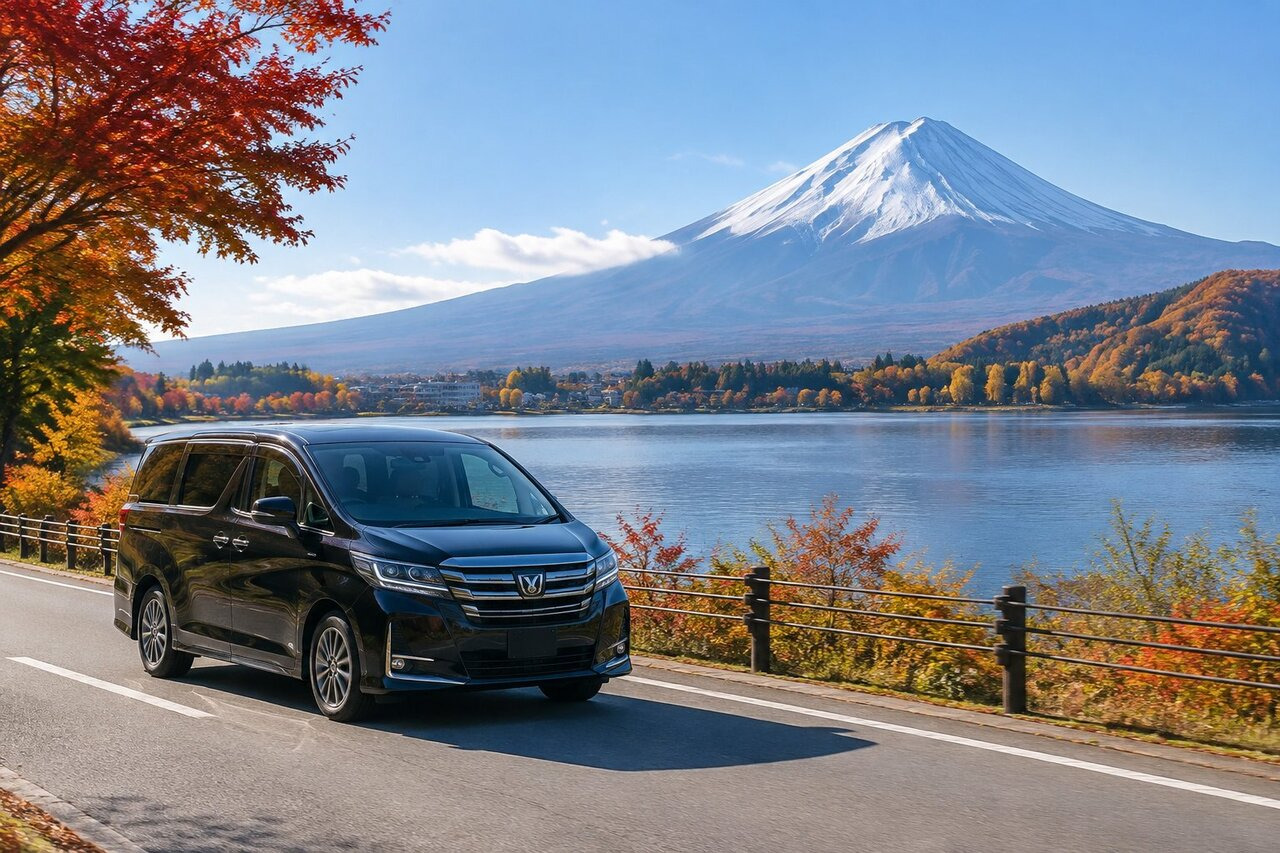
This guide compares the three ways to get around Japan and covers how a private car, a rental car and public transport differ, what a Taiwan licence holder needs to drive, how the costs add up, and who a private car suits best.
- The real difference is who drives, where the luggage goes, and whether your group can have a drink, not just the price per day
- To drive on a Taiwan licence you need your Taiwan licence + an official Japanese translation + your passport; an International Driving Permit issued in Taiwan is not valid in Japan
- At a Taiwan motor vehicle office the translation costs NT$100 per copy and is issued on the spot; you can drive for one year from the day you enter Japan or until your licence expires, whichever comes first
- Carrying paying passengers in a private car without a licence, known as "shiro-taku", is a serious offence in Japan; licensed commercial vehicles have green number plates
- With 4 or more people, older relatives or kids, lots of luggage or spread-out sights, a private car is the easiest option. See the private car and transfer options below
How do a private car, rental car and public transport differ?
Most people start by comparing the daily price, but what really decides it is who drives, how many bags you have, and whether your plans include places trains don't reach. Here are the basic differences.
| Item | Private car | Rental car | Public transport |
|---|---|---|---|
| Who drives | A local driver | You or someone in your group |
No driving |
| Documents | No licence needed | Taiwan licence + translation + passport |
No licence needed |
| Luggage | Stays in the car, door-to-door |
Stays in the car, you carry it |
You carry it between trains |
| Drinking | Passengers can | The driver can't have a drop |
Fine |
| Navigation, parking | The driver handles it | You handle it | You plan transfers |
In short, small groups with light bags staying near major stations do fine on trains. Bigger groups, older relatives, kids or trips out of the city are easier by private car, with no changing trains or finding your way. A rental car suits groups with someone used to driving in Japan who wants to set their own pace.
What costs go into each option?
The costs people most often miss are the extras on a rental car. The rental fee alone looks cheap, but once you add fuel, expressway tolls and parking and divide by the number of people, the picture often changes. This table lists only what each option includes.
| Option | What to count | How to compare |
|---|---|---|
| Private car | One price per vehicle; Lanytrip includes the driver, fuel and expressway tolls |
Total ÷ people |
| Rental car | Rental, insurance, fuel, expressway tolls, parking, child seats |
Add it all up, then ÷ people |
| Public transport | Every ticket, Shinkansen reserved seats |
Fare per person × people |
On public transport everyone needs a ticket, so the total grows with your group. A private car is one price per vehicle, so the more people, the less each pays. For families or friends of 4 or more, the gap between a private car and the train is often smaller than you'd expect.
What do Taiwan licence holders need to drive in Japan?
Japan's National Police Agency states that a Taiwan licence with an official Japanese translation can be used to drive in Japan. This option only applies to Switzerland, Germany, France, Belgium, Monaco and Taiwan. Many people get an International Driving Permit out of habit, but one issued in Taiwan is not valid in Japan; what you need is the Japanese translation.
- Make sure your Taiwan licence is still valid; if it has expired, renew it first before applying.
- Apply at any motor vehicle office in Taiwan with your national ID card and licence. The fee is NT$100 per copy, issued on the spot.
- You can also apply online through the motor vehicle services website, plus NT$28 registered postage; delivery takes 7–12 working days.
- Check the translation when you get it; details such as your address must match your licence.
- When driving in Japan, carry your Taiwan licence, the Japanese translation and your passport together.
You can drive for one year from the day you enter Japan, or until your Taiwan licence expires, whichever comes first. The translation must be made by an approved body; a translation you make yourself doesn't count.
If you decide to drive after arriving, you can apply at the Taipei Economic and Cultural Representative Office in Japan, but it has to verify your details with Taiwan's highway authority. In Tokyo this takes about 10 working days and costs 400 yen per copy, with no express service. Getting it in Taiwan before you leave is fastest.
What is most different about driving in Japan?
The biggest adjustment is direction. In Japan cars drive on the left and the driver's seat is on the right, so turning, roundabouts and car parks all work the opposite way to Taiwan, and the first day is when people most often end up in the wrong lane.
| Rule | What to do |
|---|---|
| Drive on the left | Driver's seat on the right, turns are reversed |
| Railway crossings | Always stop at the line and check both ways |
| Expressway ETC | Rent an ETC card from the rental company |
| Parking | Only in designated spaces; illegal parking is fined |
| Children under 6 | Must use a child seat |
| Seatbelts, phones | Everyone belts up; no phone while driving |
An ETC card needs a car with an ETC unit, so request both when you book. Some expressway entrances are ETC-only and can't be used without a card.
Drinking is the rule to remember. Penalties for drink-driving in Japan are severe and the driver can't have a single drink. It's not just the driver: whoever lends the car, serves the alcohol, or rides along knowingly can be penalised too. If your plans include a sake brewery, a winery or a drink with dinner, a private car with a driver takes care of it.
Is it OK to book a cheap private ride found online?
Japan's Ministry of Land, Infrastructure, Transport and Tourism states that carrying paying passengers in a private car without permission, known as "shiro-taku" (white-plate taxi), is a serious offence. Licensed taxis and hire cars in Japan have green number plates, while private cars have white plates, so you can tell before you get in.
The ministry also warns that unlicensed drivers may skip driver health checks and vehicle safety checks, and may charge very high fares. Ask whether the car is a licensed commercial vehicle when you book. Lanytrip's private cars and transfers always use green-plate commercial vehicles and are covered by travel agency liability insurance.
Who is public transport best for?
If you're staying in central Tokyo or Osaka, setting out from major stations each day with light luggage, trains are the easiest. Japan's transport IC cards (Suica, ICOCA and others) work on trains and buses and at convenience stores, and most regional cards work across the country. However, you can't make one continuous journey across different card areas, and some highway buses and limited express trains don't accept them.
The catch is big luggage. On the Tokaido, Sanyo, Kyushu and Nishi-Kyushu Shinkansen, bags over 160 cm in total dimensions need a reserved "seat with oversized baggage area", which costs the same as a normal reserved seat. Bring one on without a reservation and you pay a 1,000 yen fee (tax included).
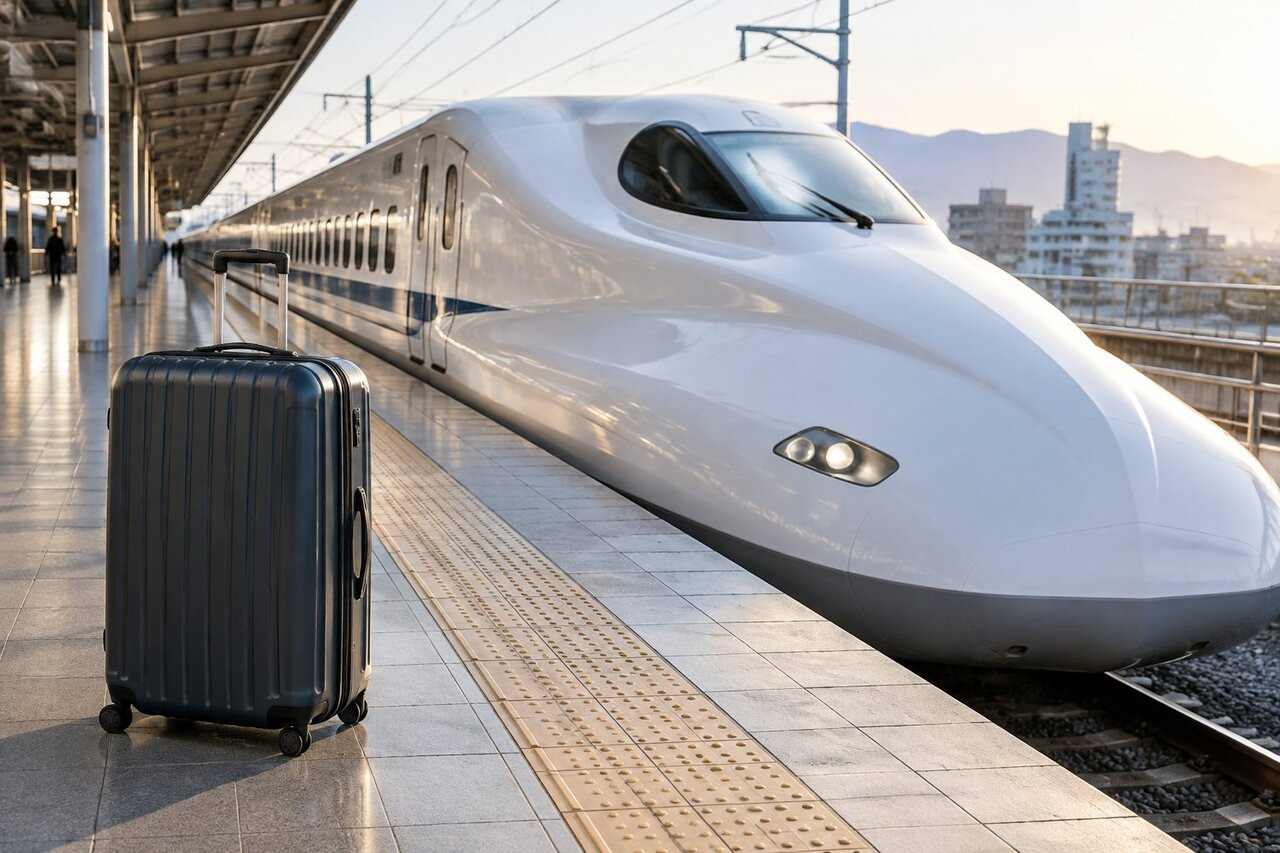
| Total dimensions | On the Shinkansen |
|---|---|
| 160 cm or less | No reservation needed |
| Over 160 cm, up to 250 cm |
Reserve a seat with oversized baggage area |
| Over 250 cm | Not allowed on board |
Applies to the Tokaido, Sanyo, Kyushu and Nishi-Kyushu Shinkansen. Strollers, sports equipment and musical instruments are exempt.
The hard part of train travel is lots of transfers, packed rush-hour trains and plenty of station stairs. Fine for a solo backpacker, but tiring for a family with suitcases and a stroller.
When is a private car the best value?
A private car is one price per vehicle, so the bigger your group and the more spread out your plans, the better the value. In these situations it's usually much easier than trains or a rental car.
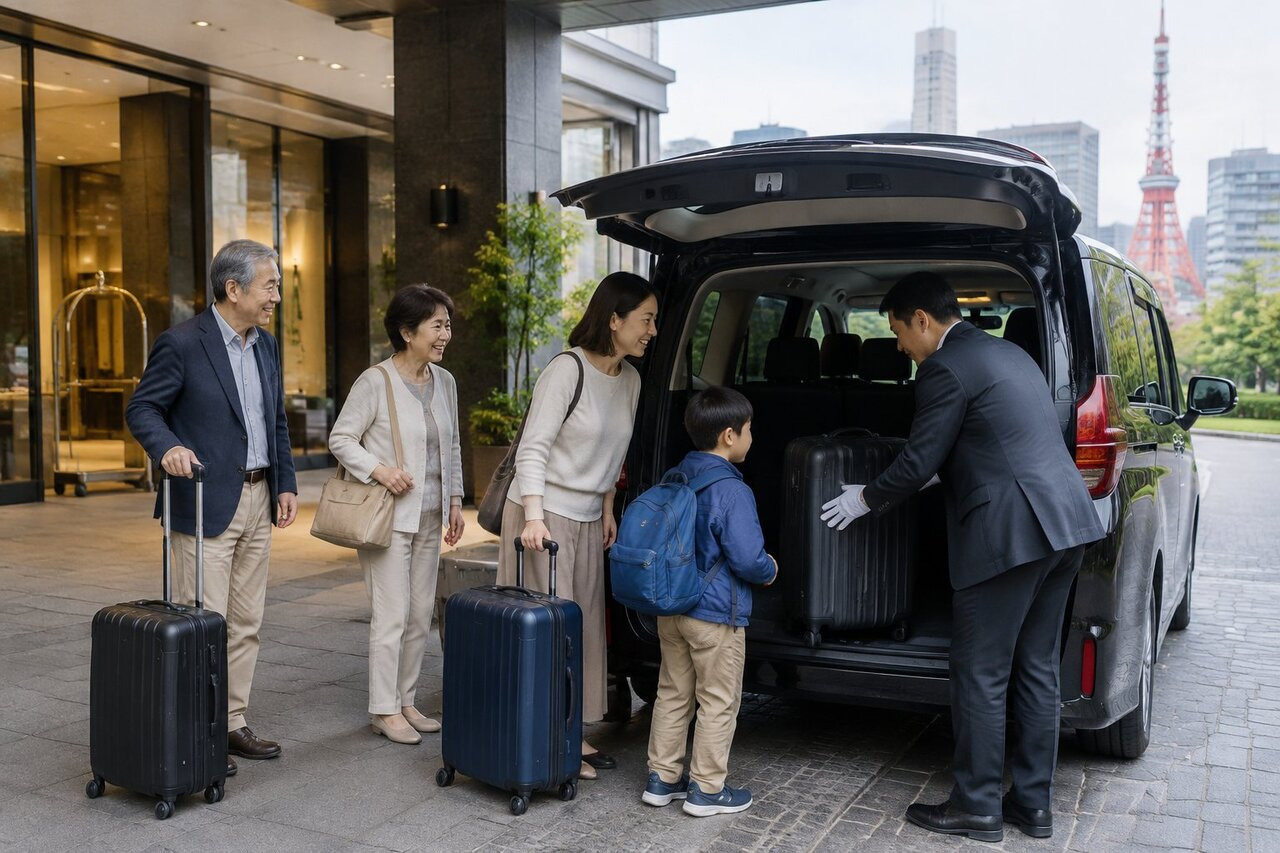
- Larger groups: Lanytrip offers an Alphard (or similar) and a Toyota HiAce. The HiAce seats up to 8 people with 8 bags, enough for three generations or two families in one vehicle.
- Older relatives and kids: the driver picks you up at your hotel door, so no walking to the station, climbing stairs or hunting for seats on crowded trains, and a sleeping child can go straight into the car.
- Lots of luggage: suitcases and shopping bags stay in the car all day, with no Shinkansen baggage reservations or full station lockers to worry about.
- Spread-out sights: places like Lake Kawaguchi, Hakone and Arashiyama are far apart and take several train changes; by private car you can link 3–4 stops in a day.
- Want a drink, don't want to drive: a Chinese-speaking driver takes the wheel, so no one has to worry about drink-driving or finding their way on left-hand roads.
How do I book a private car or transfer in Tokyo or Osaka?
Lanytrip offers 10-hour private cars and airport transfers in Tokyo and Osaka, with Chinese-speaking drivers and green-plate commercial vehicles, one price per vehicle and never shared.
- 10-hour private car from Tokyo: for families and groups heading to Lake Kawaguchi, Hakone or Kamakura for the day
- 10-hour private car from Osaka: for anyone going to Kyoto or Nara from Osaka without changing trains
- Airport transfer: for arrivals with lots of luggage, older relatives or kids
- 10-hour private car from Tokyo (Lake Kawaguchi, Hakone, Kamakura and more): The driver meets you at your Tokyo hotel door for a day at Lake Kawaguchi, Hakone, Kamakura and Enoshima or Yokohama, no train changes, bags stay in the car.
- 10-hour private car from Osaka (Kyoto, Nara): Leave from your Osaka hotel door for Arashiyama, Kinkakuji, Fushimi Inari and Kiyomizu-dera in Kyoto, or Nara Park, linking several sights in one day.
- Narita / Haneda or Kansai Airport transfer: Narita or Haneda ⇄ central Tokyo, Kansai Airport ⇄ central Osaka or Kyoto. Go straight from arrivals to your hotel without dragging bags to the platform.
Recommended transfer options
10-hour private car from Tokyo (Lake Kawaguchi, Hakone, Kamakura and more)
Get a 1-on-1 quote ›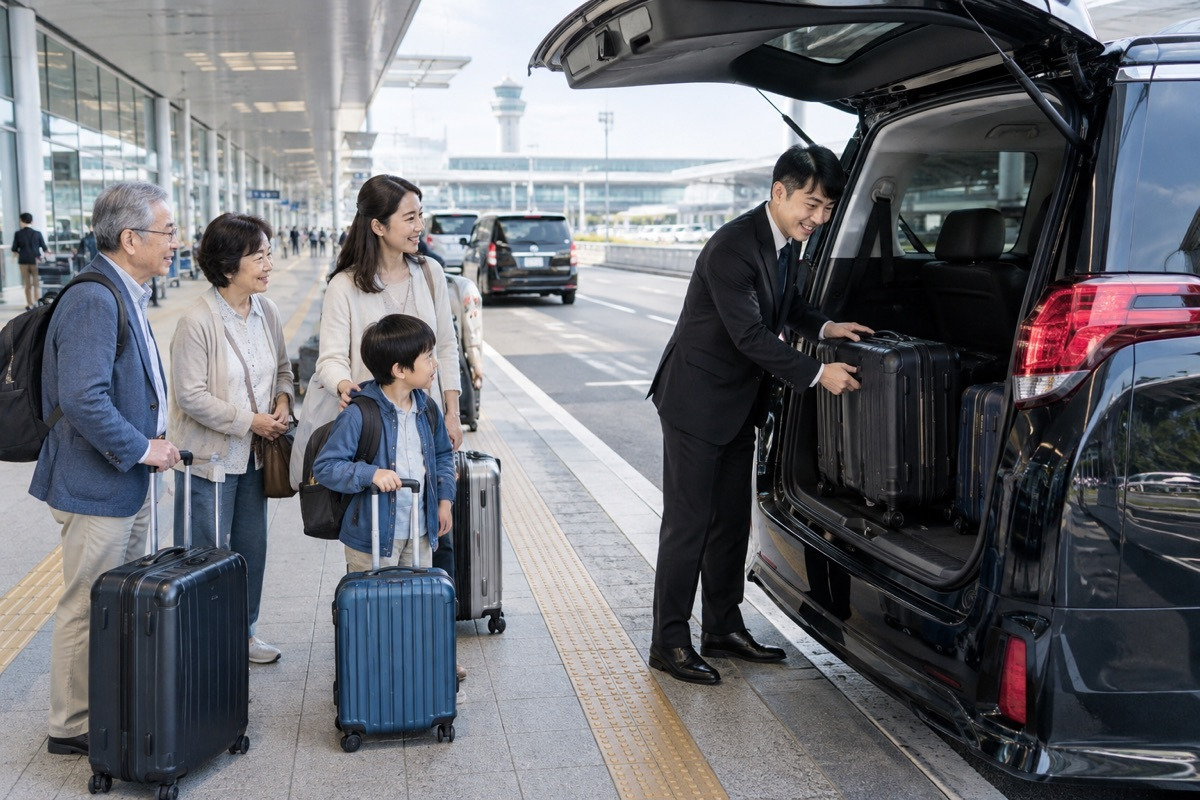
10-hour private car from Osaka (Kyoto, Nara)
Get a 1-on-1 quote ›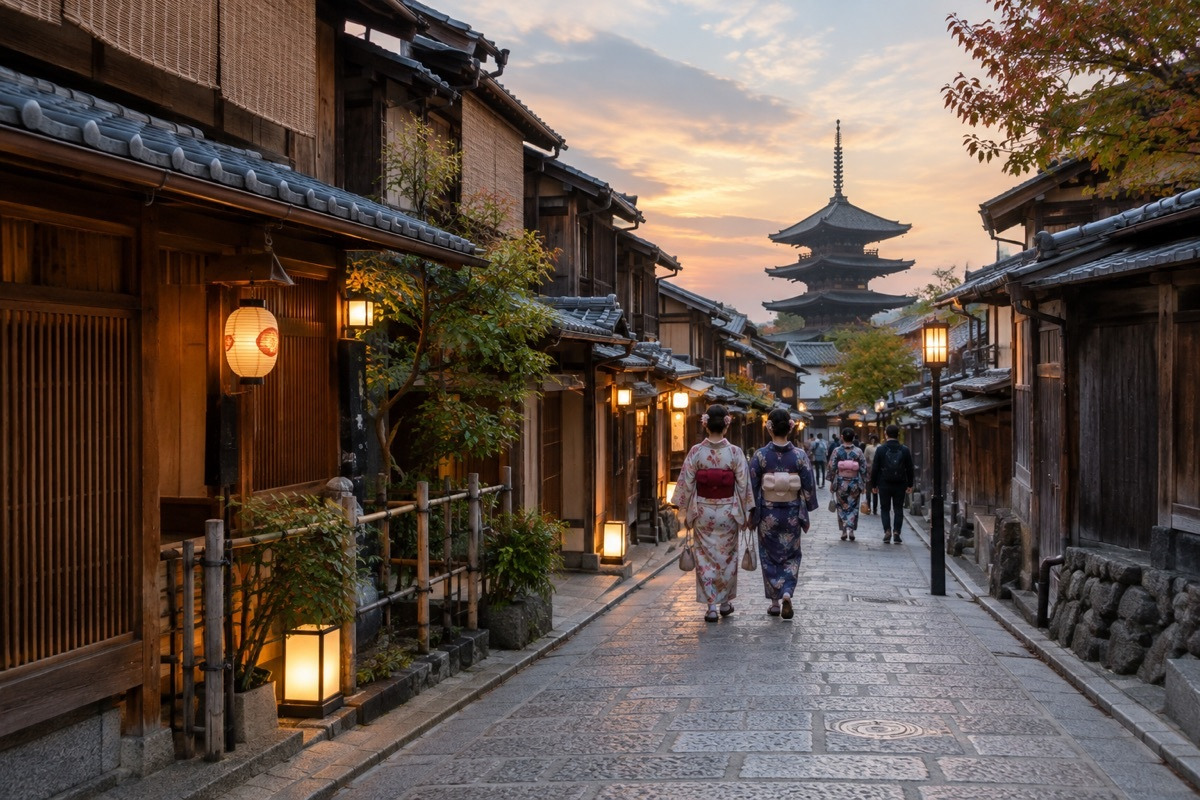
Narita / Haneda or Kansai Airport transfer
Get a 1-on-1 quote ›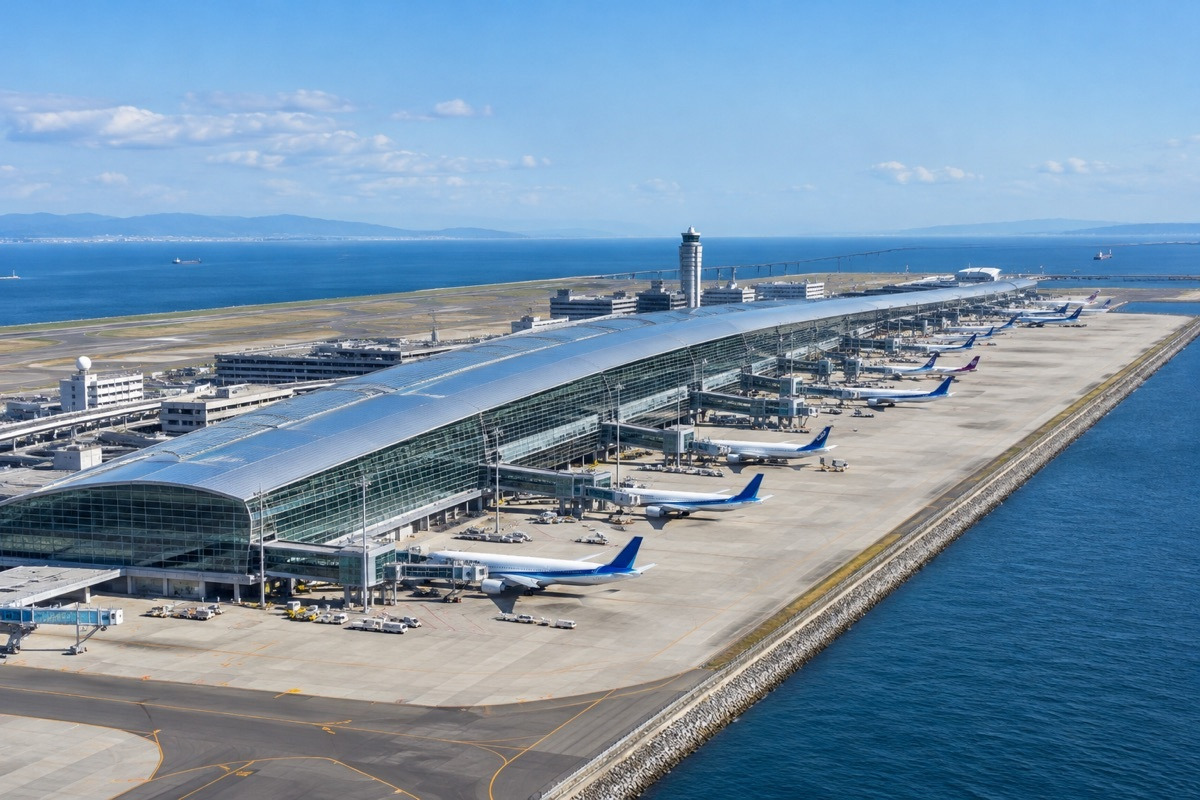
Have this ready when you ask about a private car on LINE
- Pick-up hotel (name or address)
- Date
- Number of people and luggage (any strollers or large bags)
- Your plans for the day
For a faster, more accurate quote, please send all of the above in one message on LINE.
Summary: how to choose and what to watch for
Things to watch for
To drive yourself you need your Taiwan licence, the Japanese translation and your passport; a Taiwan-issued International Driving Permit isn't valid. Japan drives on the left, and the driver can't drink at all. For cheap private rides found online, check first that it's a licensed green-plate vehicle.
How to plan it
Use an IC card for trains around the city, and switch to a private car for days out with spread-out sights. Arrival and departure days are when you have the most luggage, so an airport transfer saves the most effort. Taking a big suitcase on the Shinkansen? Reserve an oversized baggage seat.
Why we suggest a private car and pre-booked transfers
With a private car there's no translation to get, no left-hand driving to adapt to and no parking to find. Get in at your hotel door, leave your bags in the car, and everyone can relax. The more people, the better value one price per vehicle becomes. See the 3 options above, or message us on LINE.
Japan private car and rental car FAQ
Can I drive in Japan with an International Driving Permit from Taiwan?+
No. Bring your Taiwan licence, the official Japanese translation and your passport; the translation is available at Taiwan motor vehicle offices.
How long can I use the Japanese translation?+
One year from the day you enter Japan, or until your Taiwan licence expires, whichever comes first.
Can I translate my licence myself?+
No. It must be made by an approved body. At a Taiwan motor vehicle office it costs NT$100 per copy and is issued on the spot.
How can I tell a licensed private car in Japan?+
Look at the plate: licensed commercial vehicles have green plates. A white-plate private car carrying paying passengers is an illegal "shiro-taku".
How many people fit in one private car?+
With Lanytrip, an Alphard or similar takes up to 4 people and 4 bags, and a Toyota HiAce up to 8 people and 8 bags; each passenger fewer frees space for one more bag.
